Senegal reinstated as Afcon 2025 winners by court ruling
CAS has reinstated Senegal as AFCON 2025 champions after overturning CAF's decision to award Morocco a 3-0 victory.
NewsAuthored By
CenterKick Editor
Published On
11/24/2026
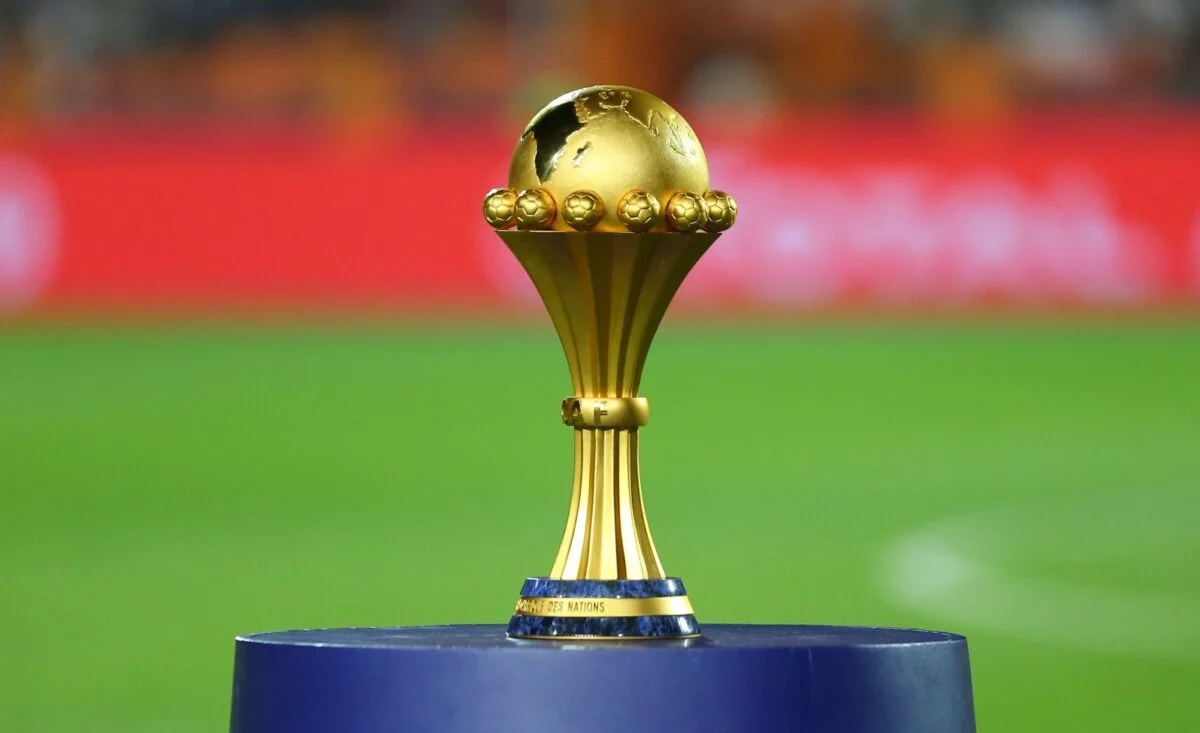
CAS Reinstates Senegal as AFCON 2025 Champions, Overturns CAF Decision
Senegal have been reinstated as champions of the 2025 Africa Cup of Nations after the Court of Arbitration for Sport (CAS) overturned the Confederation of African Football (CAF) Appeals Board's decision to strip the Teranga Lions of the continental title.
The ruling restores Senegal's original victory in the controversial AFCON final against Morocco, which was played in Rabat in January. Senegal had initially won the encounter 1-0 after extra time, but CAF subsequently overturned the result and awarded Morocco a 3-0 victory in March.
The Senegalese Football Federation (FSF) challenged CAF's decision at CAS, sport's highest arbitration body, arguing that the ruling to declare Morocco winners was unjustified.
Following a hearing in Lausanne on October 8, a three-member CAS panel unanimously ruled in Senegal's favour, confirming that the original result of the final should stand.
The decision effectively overturns CAF's previous ruling and restores Senegal's status as the winners of the 2025 AFCON.
In its explanation of the verdict, CAS emphasised that the referee had the authority to determine whether the match should continue or be abandoned, noting that the decision to resume play rested solely with the match official.
“The referee's decision to resume the match or to stop it fell definitively within his sole authority,” the court stated.
CAS further explained that referee Jean-Jacques Ndala's decision to restart the encounter indicated that he believed the conditions necessary for the continuation of the match had been satisfied. Both teams had returned to the pitch and agreed to resume proceedings after the lengthy interruption.
The FSF welcomed the ruling shortly after it was announced, celebrating the restoration of the country's continental title with a picture of the team following their January triumph and the caption: “Again and always.”
CAF has yet to publicly respond to the ruling, although its president, Patrice Motsepe, had previously stated that the organisation would respect the outcome of the CAS proceedings.
Morocco's football federation has also not issued an official reaction to the latest development.
The dispute originated during the final when Senegal coach Pape Thiaw instructed his players to leave the pitch following the award of a penalty to Morocco in second-half stoppage time. The decision came after a VAR review by referee Ndala, triggering protests from the Senegalese team.
The walk-off resulted in a lengthy interruption before Senegal's players eventually returned to the pitch and the match resumed.
Morocco forward Brahim Diaz subsequently took the penalty but failed to convert, attempting a Panenka-style shot that was comfortably saved by Senegal goalkeeper Edouard Mendy.
The match continued into extra time, where Pape Gueye scored the decisive goal to give Senegal a 1-0 victory and their second Africa Cup of Nations title.
Morocco later challenged the outcome before CAF, citing Article 82 of the AFCON regulations, which stipulates that a team may forfeit a match if it abandons the field without the referee's authorisation.
CAF's disciplinary board initially dismissed Morocco's protest. However, the federation's appeals board overturned that decision in March, declaring Senegal to have forfeited the final and awarding Morocco a 3-0 victory.
The ruling sparked widespread criticism in Senegal, with the FSF describing CAF's decision as unfair and unacceptable before taking the case to CAS.
The CAS verdict now restores the original result of the final and confirms Senegal as AFCON 2025 champions, bringing the legal dispute over the title to a conclusion.
While the ruling settles the ownership of the trophy, the contentious circumstances surrounding the final, CAF's handling of the appeal and the subsequent legal proceedings are likely to continue generating debate about governance, disciplinary procedures and the credibility of African football's institutions.