
Coaching Masterclass: How to Structure an Effective High Press in Youth Football
Modern football is increasingly defined by what happens when a team loses possession.
Authored By
CenterKick Editor
Published On
5/23/2026
Introduction
Modern football is increasingly defined by what teams do without the ball. From elite clubs to grassroots academies, the ability to press effectively has become a crucial part of the game. However, pressing is not simply about chasing opponents. A successful high press requires organization, communication, and collective movement.
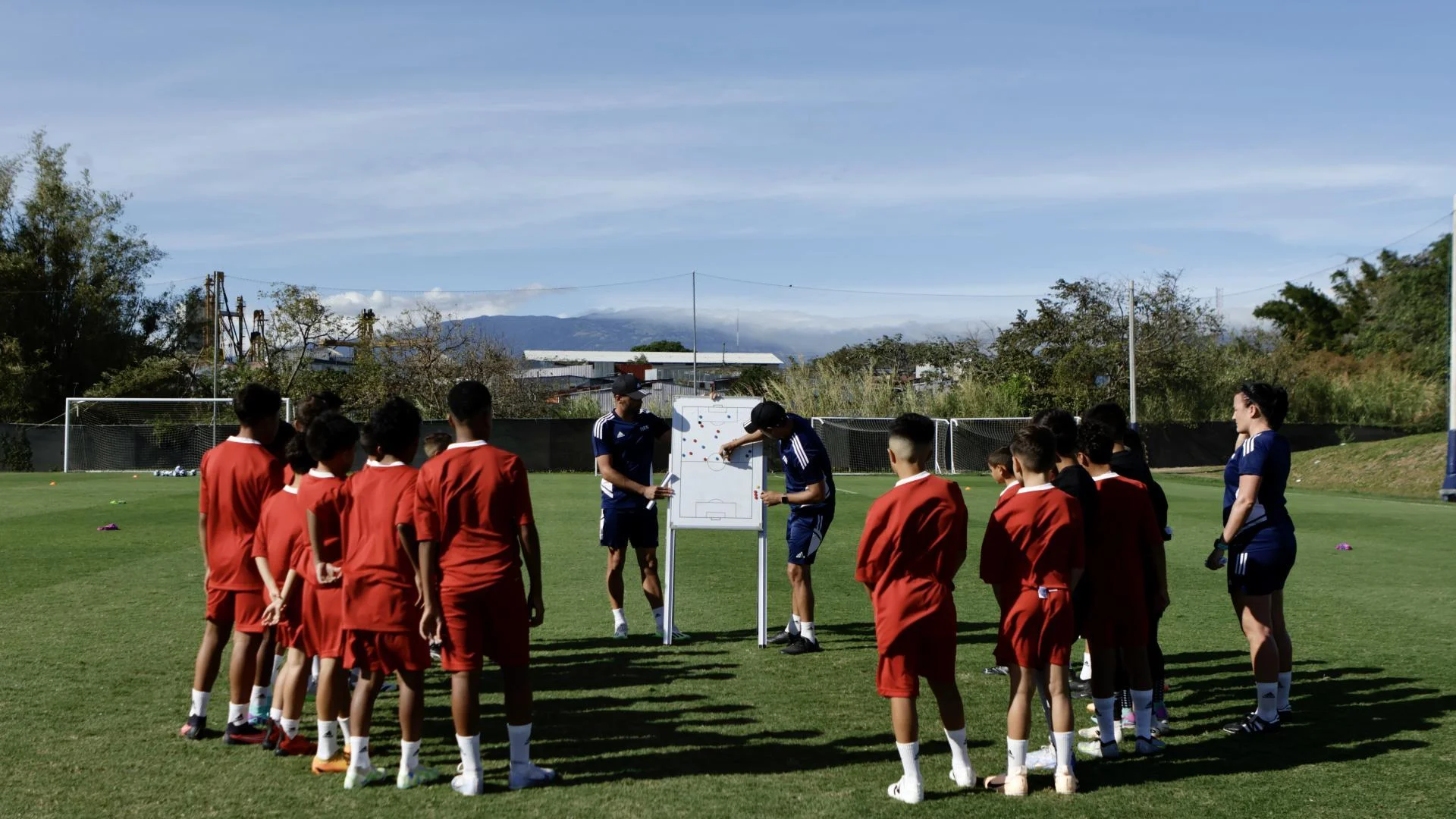
For youth coaches, teaching an effective high press can help players develop tactical awareness, teamwork, and defensive discipline while creating more opportunities to win possession in dangerous areas.
What is a High Press?
A high press is a defensive strategy where a team attempts to win the ball back close to the opponent's goal rather than retreating into their own half.
The objective is simple:
Force mistakes from the opposition.
Win possession in advanced areas.
Create immediate scoring opportunities.
Prevent opponents from building attacks comfortably.
When executed correctly, a high press turns defense into attack within seconds.
The Key Principles of an Effective High Press
1. Press as a Team
The biggest mistake youth teams make is allowing one player to press alone.
A high press only works when the entire team moves together. If the striker presses but the midfield remains deep, the opposition can easily play through the pressure.
Coaches should teach players to move as one unit, maintaining compact distances between the forwards, midfielders, and defenders.
2. Identify Pressing Triggers
Players should recognize moments when it is time to press aggressively.
Common pressing triggers include:
A poor first touch by an opponent.
A backward pass.
A pass to a player facing their own goal.
A slow pass across the defensive line.
A goalkeeper receiving the ball under pressure.
These moments provide the best opportunities to win possession.
3. Force Play into Specific Areas
The goal of pressing is not only to win the ball but also to control where the opponent plays.
For example, coaches may instruct the striker to block the passing lane to the centre while forcing the ball toward the touchline. The sideline then becomes an extra defender, reducing the opponent's options.
4. Maintain Compactness
Distances between players are critical.
The front line, midfield, and defense should remain connected to avoid creating spaces that opponents can exploit.
A compact team is far more difficult to play through and can react quickly when possession is lost.
5. Win the Ball and Attack Immediately
Once possession is regained, players should look forward first.
The opponent is often disorganized after losing the ball, creating opportunities for quick attacks and goal-scoring chances.
Recommended Formation for Youth Teams
For youth football, a 4-3-3 formation is often ideal for teaching high pressing principles.
The front three can apply immediate pressure, while the midfield three support the press and close passing lanes.
The back four provide cover and maintain the team's defensive structure.
However, the principles remain the same regardless of formation.
Training Drill: 6v6 High Press Game
Setup
Area: 40m x 30m.
Two mini goals.
Two teams of six players.
Objective
The defending team must press high and win possession within six seconds.
Coaching Points
Immediate pressure on the ball.
Support from teammates.
Compact team shape.
Communication.
Quick transition after winning possession.
This exercise helps players understand the timing and coordination required for effective pressing.
Common Mistakes to Avoid
Pressing Individually
Players must understand that pressing is a collective action.
Overcommitting
Aggressive pressing should not compromise defensive balance.
Poor Communication
Constant communication helps players coordinate movements and identify pressing triggers.
Lack of Fitness
A high press demands energy and concentration. Coaches should gradually build players' physical capacity.
Final Thoughts
A well-structured high press can transform a youth team from reactive to proactive. By teaching players when to press, where to press, and how to press together, coaches can create a team capable of winning the ball higher up the pitch and controlling matches.
The key is not intensity alone—it is organization, discipline, and teamwork. When every player understands their role, the high press becomes one of the most powerful tools in modern football.